
Alpine Nutrients & Daily Vigor
Educational insights into nature-based compounds and lifestyle elements supporting men's everyday wellness
Educational insights into nature-based compounds and lifestyle elements supporting men's everyday wellness
This educational resource explores the role of nature-based nutritive compounds in supporting men's daily energy, functional capacity, and overall well-being. Our information focuses on scientific understanding of vitamins, minerals, botanicals, and lifestyle factors that contribute to everyday vigor.
Educational content only. No promises of outcomes.
Essential micronutrients including Vitamins A, C, E, and minerals like magnesium and zinc play fundamental roles in cellular energy production and metabolic function. These compounds are found throughout plant and animal food sources.
Learn MoreMountain flora such as rhodiola, arnica, and other alpine plants have been studied for their bioactive compounds. Understanding their traditional use and scientific constituents provides valuable nutritional context.
Explore CatalogPlant-based and marine omega-3 fatty acids support cardiovascular and neurological function. Natural sources include alpine berries, seeds, and sustainable fish products.
Find Out MoreQuality sleep is fundamental to male physiological recovery and daily functioning. During sleep, the body undergoes critical processes including hormone regulation, tissue repair, and nervous system recovery.
Sleep Architecture: Human sleep consists of NREM (light and deep) and REM stages, cycling in 90-minute intervals. Deep sleep particularly supports physical restoration and growth hormone release.
Recovery Impact: Consistent sleep schedules, cool sleeping environments (around 65-68°F), and sleep duration of 7-9 hours support optimal daily vigor and cognitive function.

General movement patterns that support functional tone and everyday activity capacity
Single-leg forward or reverse lunges engage leg musculature and improve balance. Performed consistently, they support lower body tone and mobility.
Hip-extension movements activate posterior chain muscles. Regular practice supports posture and functional lower back stability.
Arm circles, cross-body stretches, and scapular movements maintain shoulder joint health and upper body flexibility.

Proteins: Essential amino acids from varied sources (legumes, nuts, fish, poultry) support muscle function and tissue repair.
Carbohydrates: Complex carbs from whole grains, vegetables, and fruits provide sustained energy for daily activities.
Fats: Healthy fats from nuts, seeds, avocados, and fish support hormone production and nutrient absorption.
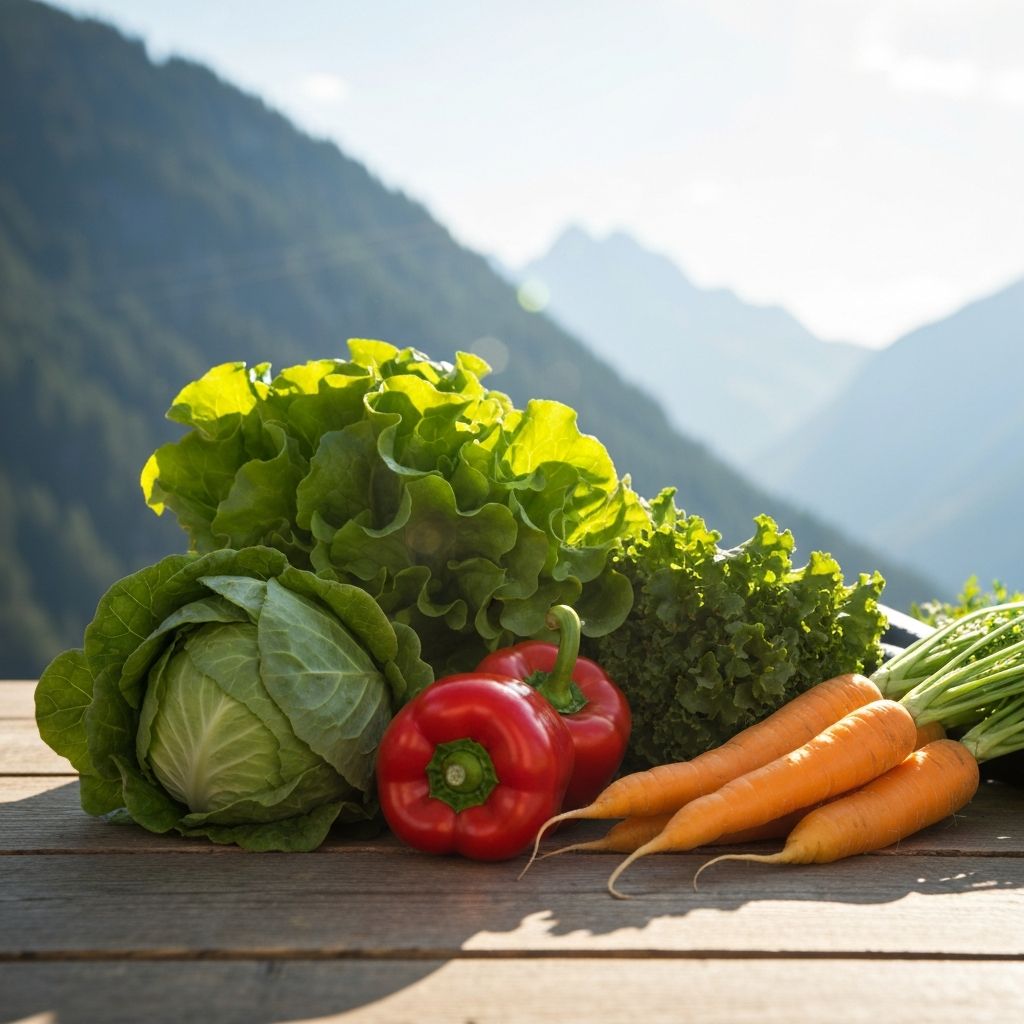
Leafy Greens: Spinach, kale, and arugula provide vitamins K, A, and magnesium.
Berries: Alpine and cultivated berries contain antioxidants and polyphenols supporting cellular health.
Nuts & Seeds: Almonds, walnuts, pumpkin seeds deliver minerals, omega-3s, and vitamin E.
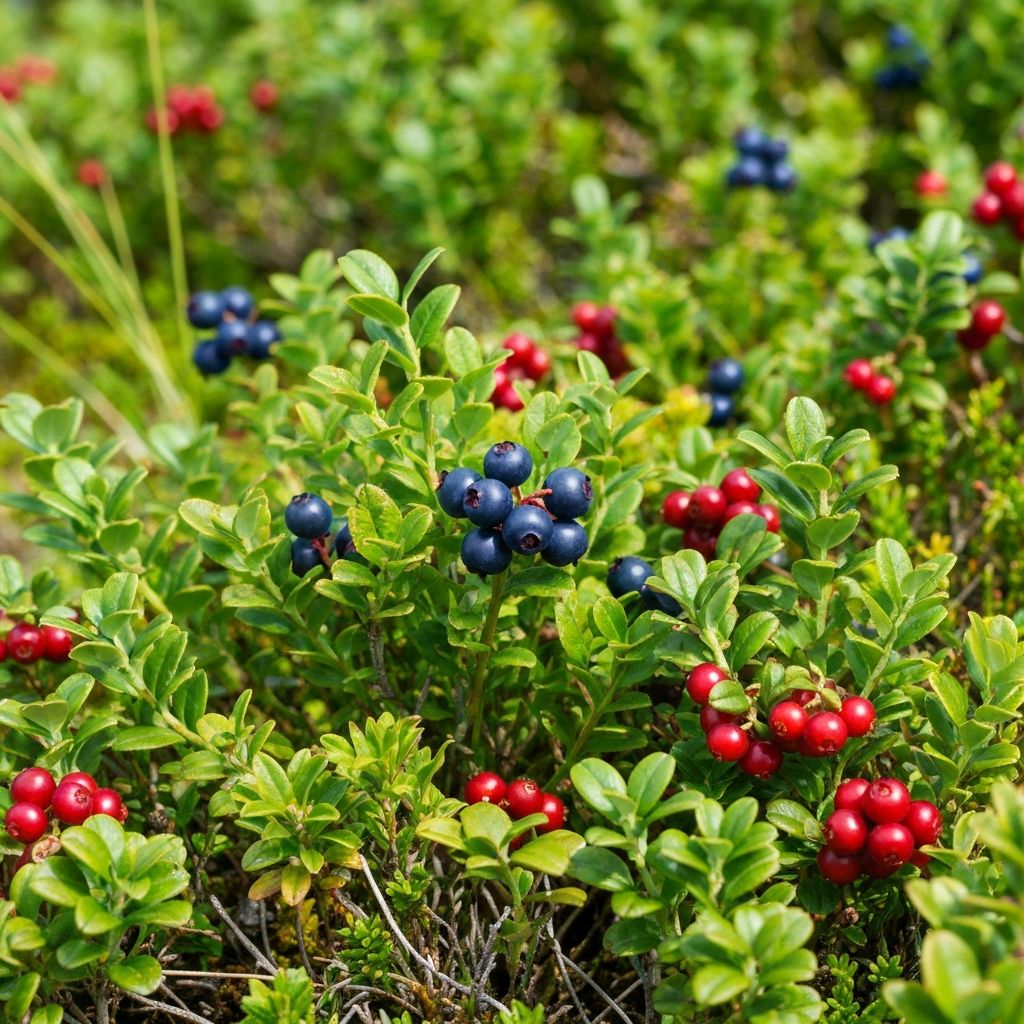
Water is essential for metabolic processes, nutrient transport, temperature regulation, and cognitive function. Adequate hydration typically means consuming half your body weight in ounces daily, adjusted for activity level and climate. Electrolyte balance from natural sources (mineral-rich foods, coconut water) supports water retention and cellular function.
| Nutrient | Natural Sources | Primary Functions | Occurrence |
|---|---|---|---|
| Vitamin A | Carrots, sweet potatoes, spinach, kale | Vision, immune function, skin health | Plant and animal sources |
| Vitamin C | Citrus, berries, bell peppers, broccoli | Immune support, collagen synthesis | Predominantly in fresh produce |
| Vitamin E | Nuts, seeds, vegetable oils, leafy greens | Antioxidant defense, cellular protection | Plant-based sources |
| Magnesium | Almonds, pumpkin seeds, spinach, dark chocolate | Muscle function, energy production, relaxation | Mineral-rich foods |
| Zinc | Oysters, beef, pumpkin seeds, chickpeas | Immune function, protein synthesis | Meat and plant sources |
| Omega-3 Fatty Acids | Salmon, flax seeds, walnuts, chia seeds | Cardiovascular, neurological support | Marine and plant-based |
| Coenzyme Q10 | Fatty fish, organ meats, nuts, vegetable oils | Cellular energy, antioxidant function | Limited in plant sources |
Educational profiles of select alpine plants studied for their bioactive compounds
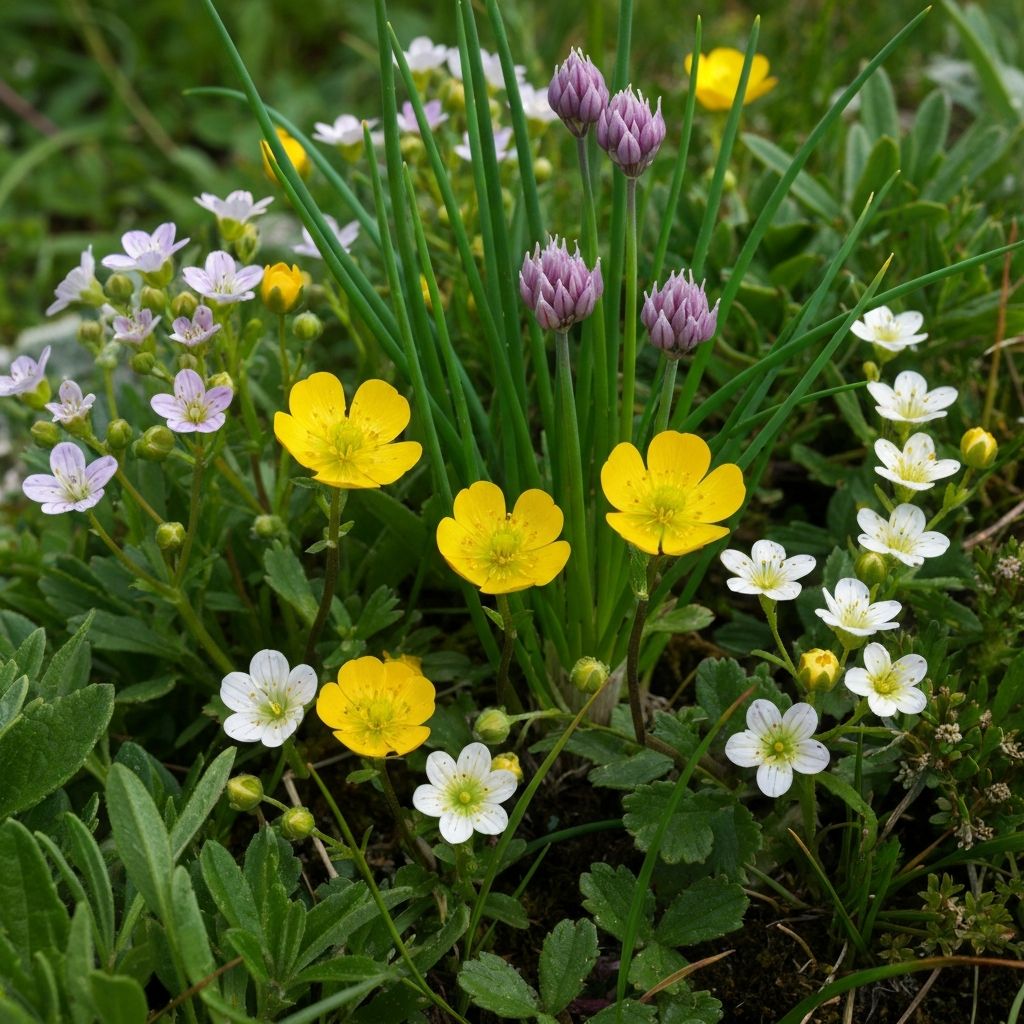
Traditional Use: Scandinavian and Eastern European traditional medicine.
Bioactive Compounds: Salidroside, rosavin, and phenolic compounds.
Occurrence: Alpine and subarctic regions at elevations above 1,000 meters.
Historical Context: Used in traditional practices for supporting endurance and recovery.
Traditional Use: European folk medicine for physical recovery support.
Bioactive Compounds: Helenalin, flavonoids, and essential oils.
Occurrence: Mountain meadows of central and southern Europe, typically 600-2,000m elevation.
Historical Context: Long documented in Alpine communities' wellness practices.
"Load" refers to accumulated physical, mental, and nutritional stress from daily activities. Proper load management involves:
Active Recovery: Light movement (walking, stretching) enhances blood flow without additional stress.
Nutritional Refueling: Post-activity meals combining protein and carbohydrates support muscle repair and glycogen repletion.
Sleep Prioritization: Consistent sleep duration and quality remain foundational to recovery capacity.
Stress Management: Meditation, breathing practices, and social connection reduce cortisol and support parasympathetic activation.
These are neutral suggestions for deeper reading on nutrition science and wellness topics
This website contains educational information only. The materials presented are not medical advice, diagnosis, treatment recommendations, or prescriptions. Individual circumstances vary significantly. Consult qualified healthcare professionals before making health decisions or starting any wellness program.